Cookies on this site
We use Google Analytics and Microsoft Clarity to see how the site is used. Nothing is set until you choose, and we set no advertising cookies. What is stored and for how long.
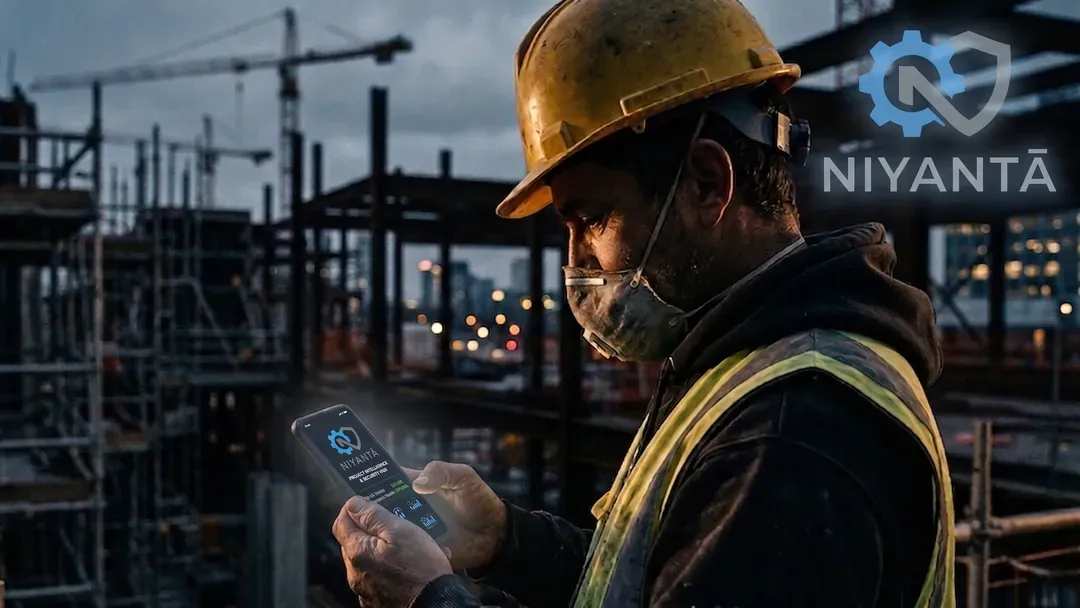
Niyantā
A WhatsApp-first construction execution & ERP platform on ERPNext — maker-checker governance, audit trails, and real-time field visibility.
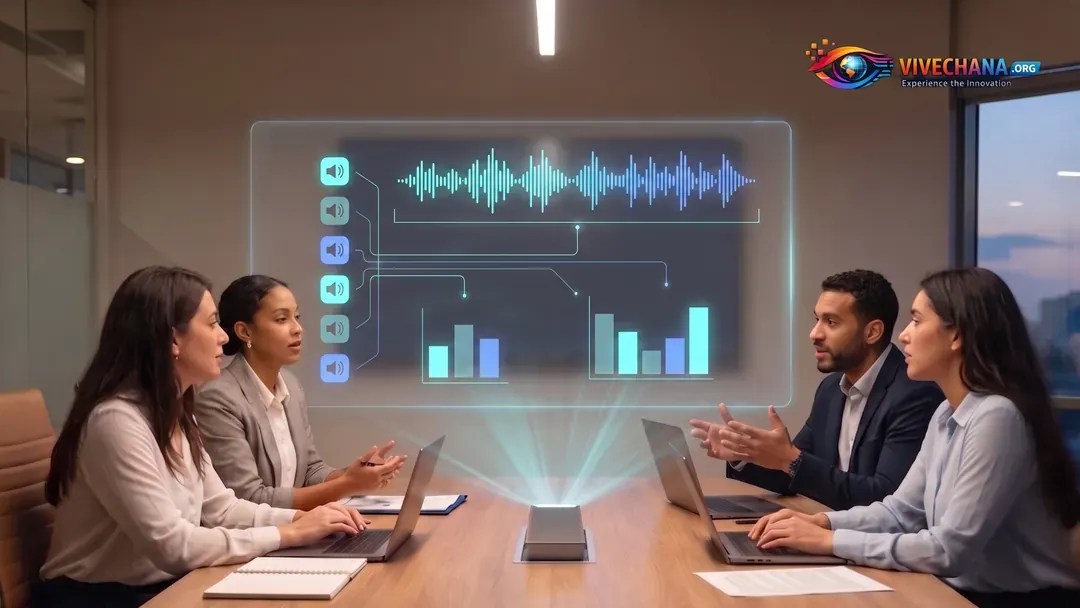
Vivechana
An AI meeting-understanding system that captures, transcribes and structures conversations into searchable, actionable knowledge.
BazaarBandhu
Enterprise e-commerce enablement — a modular, governance-led commerce architecture aligning technology, data and governance into one scalable ecosystem.
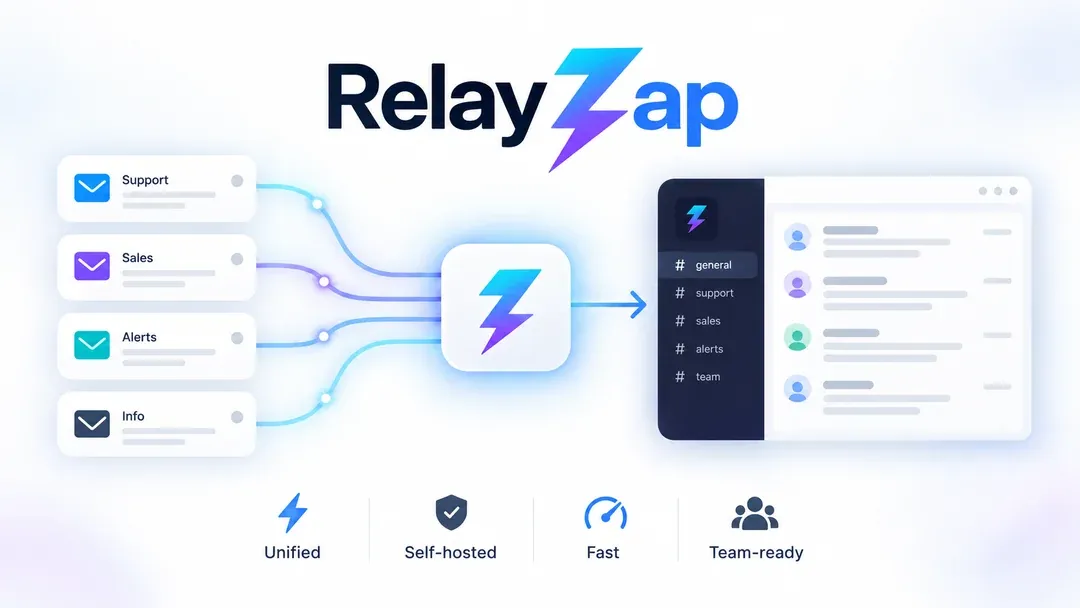
RelayZap
Self-hosted email-to-chat monitoring — Gmail, Zoho and any IMAP mailbox forwarded into Mattermost, Google Chat or any webhook. Flat-priced, runs on your own servers.
What these four projects have in common
A construction ERP, a wholesale commerce platform, an AI meeting tool and a mail-relay product do not look alike. The delivery approach underneath them is the same one every time, and it is the part worth judging us on.
Shipped, not prototyped
Every platform on this page is in production with real users and real consequences for downtime. Niyantā governs live construction sites for a civil-construction contractor in Patna; BazaarBandhu handles wholesale orders. Nothing here is a pilot that never left staging.
Governance designed in, not added
Maker-checker approval, audit trails and role separation are architectural decisions taken at the data-model stage. Retrofitting an audit trail onto a system that was not built for one is close to a rewrite — which is why compliance sits in the same engagement as development rather than after it.
Built on the platform the client can keep
ERPNext for the construction ERP, standard web stacks elsewhere, self-hosted where data has to stay put. We pick boring, well-documented foundations with a hiring market around them, because the second engineer to touch a system is rarely one of ours.
Handed over with the delivery platform
Each project shipped with its infrastructure defined as code, its pipeline running, and its tests inside that pipeline — the working DevOps setup, not just the application. That is what lets a client take over operations or keep us on a retainer as a genuine choice rather than a dependency.
Adopted by non-technical users
Niyantā runs on WhatsApp because site supervisors will not log into an ERP, and that decision came out of watching how the work already happened. A platform nobody uses is indistinguishable from a platform that was never built.
Still maintained
These are not launch-and-leave engagements. Security patches, dependency upgrades and platform changes continue after go-live, which is the difference between a system that is three years old and one that is three years behind. See how that works in our engagement models.